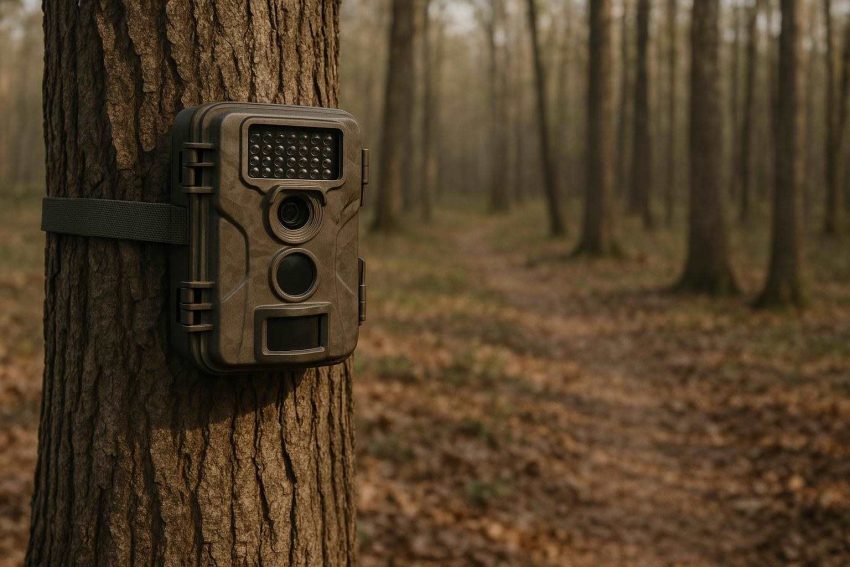
The Ethical Approach, to Trail Cameras: Practical Considerations
Using trail cameras can be a way to watch wildlife activity but it needs care and knowing the laws. Even if you put a camera near a field edge it might accidentally take pictures of property or other areas that are controlled. These mistakes can cause problems with the law and questions about right and wrong. To stay out of trouble think about the following things before you put your camera in place.
Decide What You Want to Learn
Before you take your camera out spend a few minutes to say what you want to find out. Are you looking to see how animals move in a place or maybe checking how clean a water source is? A clear goal usually makes your cameras work better which means trips and less effect on nature.
Be careful where you put the camera if there are a lot of animal signs. Fresh tracks might make you think it's a place. Putting a camera there can change how the animals act because of the smell of people. Put your camera a little away from spots. You should still get enough information without causing trouble.
Know the Rules
Trail camera rules can be different depending on where you're what kind of land you are on and what you plan to do with the pictures you take. There might be rules about using bait putting cameras near roads or using the pictures for hunting. What is allowed in one place might not be allowed in another.
It's important to know the rules from your wildlife group or the person who owns the land. Relying on information or remembering rules from a time ago can lead to breaking the rules by accident. Also using a trail camera on land usually needs permission from the person who owns the land. Just because you have permission to hunt does not mean you can put a camera there without talking about it
Think About Where You Put the Camera
When you set up the camera always think about whether you might be seeing something that should not be seen. Taking pictures of people in places like parking lots or walking areas can be a problem both in terms of right and wrong. Could cause legal issues.
Try to point the camera at areas of places where people are. Think about the space in three ways: go a steps to the side of the tree you want and look at what the camera will see from your planned angle. A small change in angle can make a difference helping you avoid pictures you don't want while still getting the information you need.
Be Gentle When You Install the Camera
The first time you put the camera up can be the part. This includes choosing a tree clearing the view and handling the camera. It's important to do these things don't cut plants or change animal paths to make the camera work better. Instead choose places that don't bother the animals much.
Before you leave the spot check that the camera is working right looking at things like batteries space to save pictures and if it can connect. Writing down what you did can help you later turning checks into work.
Think About Using Things to Attract Animals
Putting a camera near food, water or shelter is usually okay.. Using things that're not natural, like bait can make your work harder both in terms of rules and getting the right information. Animals that come near bait may not act normally in their home.
If you decide to use bait make sure it is allowed in your hunting area. Know the rules about how it should be and when to take it away and if you are not sure its better not to use it. Natural places to watch will give you data without problems that can come from using bait.
Look at the Information Carefully
Trail camera pictures can show things. Its important to think of them as part of more information not as proof of what animals do. Things like wrong time settings and many pictures of the animal can make your ideas wrong. Also think about whether your camera might have changed how the animals act.
Look for patterns over time not one picture. Be careful with your results check if the things you see match the rules. If you have pictures of people or neighbors that you don't need get rid of them.
When to Take the Camera Down
Taking down a camera can feel like you are giving up. Sometimes it is the choice. If the rules change, if your permission runs out or if animals seem stressed it's okay to take it down. If the rules say you need to take it down at the end of the season follow those rules.
Good work with cameras means knowing when to stop gathering information. A smart place, for your camera will protect animals and people while helping you make choices without filling your memory with pictures that're not helpful.